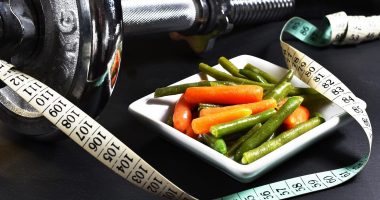
The Real Faster Way to Fat Loss (Without Starving or Suffering)
If you’re searching for the real faster way to fat loss (without starving or suffering), you’re probably tired of diets that promise quick results but leave you exhausted, hungry, and right back where you started.
>>You’ve tried every diet, every workout plan, and even those “miracle” hacks circulating online yet the scale barely moves. You’ve followed keto, intermittent fasting, low-calorie plans, maybe even those trendy shakes, only to watch the pounds creep back as soon as you relax. Sound familiar? You’re not alone. Across Reddit communities like r/WeightLossAdvice, r/PCOS, and r/TheGirlSurvivalGuide, people share the same frustration: fast results vanish, hunger and fatigue hit hard, and conflicting advice leaves you overwhelmed.
Here’s the good news: losing weight quickly doesn’t have to mean starving yourself, risking your health, or bouncing from fad diet to fad diet. There is a smarter, safer way to see real results one that is backed by science, respects your lifestyle, and addresses the very struggles UGC users like you are talking about.
In this guide, we’ll dive into:
- What “fast” really means and how to lose weight without hurting your metabolism or losing muscle.
- Practical, evidence-backed strategies from nutrition, exercise, and habit formation that actually work.
- Short-term plans for visible results when you need them most weddings, trips, or other events without dangerous crash diets.
- Solutions for common roadblocks, including plateaus, hormonal challenges (PCOS, thyroid, medications), busy schedules, and social pressures.
- Real-world hacks and micro-strategies straight from the experiences people share on Reddit, so you feel understood and supported.
This isn’t about chasing extreme quick fixes. It’s about combining science, strategy, and empathy to create a weight-loss approach that’s fast, sustainable, and tailored to real-life challenges. You’ll learn exactly what works, what to avoid, and how to make measurable progress while keeping your energy, confidence, and sanity intact.
By the end of this guide, you’ll have everything you need to build your personalized plan from understanding calorie deficits and metabolism, to structured meals, workouts, and troubleshooting tools so you can finally stop spinning your wheels and start seeing results.
Let’s break down the barriers, debunk the myths, and get you moving toward a faster, smarter, and safer path to fat loss.
The Truth About Rapid Fat Loss
When most people hear “lose weight fast,” they imagine dropping 10 pounds in a week, seeing dramatic changes in the mirror, or fitting into a dress two sizes smaller by the weekend. The reality? Safe and sustainable fat loss doesn’t come from extremes it comes from understanding what your body can realistically do and applying strategies that work with biology, not against it.
What “Fast” Really Means
Reddit users often express frustration: “I’ve done keto, intermittent fasting, and low-calorie diets and nothing lasts.” “I lost 5 pounds in a week, then gained 3 back the next.” These stories reflect a universal truth: rapid changes on the scale are rarely all fat. Most early losses are water weight, glycogen depletion, or even muscle mass, not true fat loss.
Science suggests a safe rate of fat loss is roughly 0.5–1 kilogram (1–2 pounds) per week. This aligns with a calorie deficit of about 500–750 kcal/day, enough to create measurable change without triggering rebound weight gain or nutrient deficiencies (NHS, Mount Sinai, Healthline). Going beyond this rate increases risk: muscle loss, metabolic slowdown, and fatigue often sabotage long-term success.
Why Crash Diets Fail
Crash diets promise dramatic results, but they often lead to the opposite of lasting change. Restricting calories excessively triggers the body’s survival mechanisms: metabolism slows, hunger hormones spike, and any lost weight is quickly regained once normal eating resumes. Reddit users describe this vividly: “I feel exhausted and irritable, and the moment I eat normally again, I gain it all back.” This cycle of rapid loss followed by rapid regain is common and entirely predictable.
Understanding Body Composition
The scale can be misleading. When you see a drop of several pounds in a few days, it’s usually water weight or glycogen depletion, not fat. True fat loss takes time. To track meaningful progress, consider using multiple metrics: body measurements, clothing fit, photos, and energy levels. This holistic approach helps prevent discouragement and keeps motivation high.
Safe Calorie Deficit: How to Make it Work
Creating a deficit is the cornerstone of fat loss, but it needs to be realistic and sustainable. A daily deficit of 500–750 kcal allows gradual, healthy fat reduction while maintaining muscle and energy. Pairing this with higher protein intake helps preserve lean mass, boosts satiety, and improves adherence exactly what Reddit users complain they struggle with when they feel “hungry and exhausted all the time.”
Quick Case Study: Realistic Fast Fat Loss
Take Jane, a 28-year-old with a busy work schedule. She aimed to lose weight safely in 30 days. Instead of crash diets, she:
- Reduced her daily calories by ~500 kcal,
- Increased protein intake to 1.2 g/kg of body weight,
- Strength-trained 3x per week and added 20 minutes of brisk walking daily,
- Tracked food and activity consistently,
- Focused on sleep and stress management.
By the end of the month, she lost 5 pounds of fat, improved energy levels, and kept the weight off. No extreme deprivation, no unsustainable restrictions just a plan that respected her body’s limits.
Key Takeaways
- Rapid scale drops are often water, not fat don’t confuse quick losses with lasting results.
- A safe calorie deficit (500–750 kcal/day) maximizes fat loss while preserving muscle.
- Crash diets are counterproductive: they increase hunger, fatigue, and rebound risk.
- Measure progress using multiple tools: photos, measurements, and how you feel.
- Strength training, protein prioritization, and sleep/stress management accelerate results.
The Science What Actually Makes the Body Lose Fat
Let’s be honest most people know the phrase “calories in versus calories out,” yet still struggle to lose weight. It’s not because they’re lazy or lack willpower. It’s because the science of fat loss is more nuanced than a math equation.
When you understand what really drives fat burning how calories, metabolism, hormones, and macronutrients interact you stop guessing and start working with your body instead of against it.
1. Understanding Calorie Balance in Plain English
At its simplest, fat loss happens when you consistently burn more energy than you consume. That difference is called a calorie deficit.
Every day, your body burns calories in three main ways:
- Basal Metabolic Rate (BMR): energy used to keep you alive (breathing, heart beating, brain functioning).
- Physical Activity: everything from workouts to walking to making coffee.
- Thermic Effect of Food (TEF): calories your body burns digesting food higher for protein than carbs or fat.
When your intake drops slightly below your expenditure typically a 500–750 kcal daily deficit you lose around 0.5–1 kg (1–2 lb) per week, according to NHS UK, Mount Sinai, and Healthline. That’s the safe, sustainable sweet spot that protects your metabolism and muscle tissue.
But here’s the catch: the human body adapts. As you lose weight, you burn fewer calories simply because you’re lighter, and hormones like leptin decrease, making you hungrier. That’s why crash diets plateau so quickly.
2. What “Burning Fat” Really Means
When you’re in a deficit, your body pulls stored energy from glycogen, fat, and if you’re not careful muscle. The goal is to bias this process toward fat oxidation, not muscle breakdown.
Fat cells store triglycerides. During a deficit, enzymes break those down into free fatty acids that enter the bloodstream, travel to tissues like muscle, and get oxidized for fuel. That’s what “fat burning” literally is using stored fat for energy.
So when Reddit users say, “I’m eating less but not losing fat,” it’s often because water retention, hormonal fluctuations, or inconsistent tracking mask what’s happening underneath. The science is still working; the scale just lags behind.
3. Metabolism and How to Boost It Naturally
Your metabolism isn’t fixed; it responds to your behavior. Think of it as your body’s energy engine one that runs faster when you treat it right.
Here’s how to keep it humming:
- Lift weights. Strength training builds muscle, and muscle is metabolically active tissue it burns calories even at rest (Johns Hopkins Medicine).
- Stay active outside the gym. Non-Exercise Activity Thermogenesis (NEAT) walking, fidgeting, cleaning can burn hundreds of extra calories per day without feeling like “exercise.”
- Eat enough protein. Protein has the highest thermic effect it can raise metabolism slightly simply because it takes more energy to digest.
- Sleep well. Studies (WebMD, Healthline) show poor sleep decreases metabolism and increases cravings.
- Don’t over-restrict. Severe calorie cuts slow your thyroid and lower leptin, which throttles metabolic rate.
Reddit users constantly share this frustration: “I cut calories too much and now I feel sluggish and lose slower.” It’s not in their heads it’s a biological adaptation. The fix isn’t starving harder; it’s fueling smarter.
4. Macronutrients Your Fat-Loss Power Trio
Every food you eat provides a mix of protein, carbs, and fats, and how you balance them can dramatically affect results.
Protein:
The single most important macronutrient for fast but safe fat loss.
- Preserves lean muscle during a deficit.
- Increases satiety and reduces cravings.
- Slightly raises daily calorie burn via the thermic effect.
Most people should aim for 1.2–1.6 g per kg of body weight, or more if active (Medical News Today).
Carbohydrates:
Your body’s preferred fuel source. Cutting carbs too hard may cause early water loss which looks dramatic but isn’t pure fat. Focus on slow-digesting carbs: oats, fruits, legumes, whole grains. Carbs support performance in the gym and recovery.
Fats:
Essential for hormone regulation (especially thyroid, testosterone, estrogen). Don’t go below 20% of total calories from healthy fats like olive oil, nuts, seeds, and avocado.
Balanced macronutrients keep energy stable, hormones optimized, and hunger manageable the exact opposite of what crash dieters experience.
5. Hormones: The Hidden Drivers of Fat Loss
Hormones act like the body’s control system. You can do everything “right” but still stall if your hormones are out of sync.
- Insulin: helps store nutrients. Chronically high insulin (from constant snacking or excess carbs) can slow fat release. Balanced meals with protein, fiber, and healthy fats improve insulin sensitivity.
- Cortisol: the stress hormone. High levels from lack of sleep or chronic stress signal the body to conserve fat.
- Thyroid hormones (T3, T4): regulate metabolism. Dieting too aggressively can lower thyroid output temporarily, which is why moderation matters.
- Leptin & Ghrelin: hunger and fullness messengers. When you lose weight, leptin drops and ghrelin rises making you hungrier. That’s your body protecting itself, not sabotaging you.
Reddit threads overflow with comments like “I’m doing everything right but my energy’s dead and my hunger’s crazy.” That’s physiology at work and it’s why incorporating refeed days, stress management, and proper sleep can make the difference between burnout and breakthrough.
6. Tools to Estimate Calorie Needs (TDEE & BMR)
Instead of guessing, you can calculate your approximate energy needs:
- BMR (Basal Metabolic Rate): calories your body burns at rest.
- TDEE (Total Daily Energy Expenditure): your BMR + daily activity.
A simple method:
- Find a reputable online TDEE Calculator.
- Input your stats (age, sex, weight, height, activity level).
- Subtract ~500 calories from the result for a safe starting deficit.
Track for two weeks, adjust by ±100–200 kcal if your weight trend doesn’t move as expected.
Remember these numbers are estimates, not commandments. Real progress comes from consistent tracking and observing your body’s response.
7. Why “Eat Less, Move More” Isn’t Enough
It’s technically true, but oversimplified. That phrase ignores behavioral, emotional, and biological realities:
- People eat emotionally, not mathematically.
- Busy schedules limit meal prep and exercise consistency.
- Hormones, medications, and sleep debt change energy balance behind the scenes.
As Reddit users put it: “I’m eating less, moving more, but nothing’s happening.” The problem isn’t the principle it’s the lack of personalization. Sustainable fat loss happens when you combine data (calories/macros) with lifestyle alignment (sleep, stress, environment).
That’s why this guide focuses on a 360° approach not just the calories, but the context.
8. Key Takeaways
- A calorie deficit is the foundation start with ~500–750 kcal below maintenance for steady, safe loss.
- Metabolism adapts protect it with resistance training, protein, and adequate rest.
- Hormones matter stress, sleep, and thyroid health directly influence fat burning.
- Macronutrient balance keeps you energized and minimizes hunger.
- “Eat less, move more” works only when personalized to your physiology, emotions, and lifestyle.
When you treat weight loss as a scientific yet human process not a punishment everything changes. You stop chasing shortcuts and start mastering what truly makes fat loss happen.
Fastest Safe Ways to Lose Weight
You’ve probably heard dozens of “quick fixes” detox teas, 3-day cleanses, extreme fasting all promising results that rarely last. The truth?
You can lose weight quickly, but the fastest safe way combines proven science with smart structure.
This section breaks down what the evidence (and real people) say works best: nutrition, exercise, and daily habits that deliver fast, visible progress without wrecking your metabolism or motivation.
9. What “Fast but Safe” Really Means
Fast doesn’t mean reckless.
The NHS, Mayo Clinic, and Healthline all emphasize a 500–750 kcal daily calorie deficit as the sweet spot enough to burn roughly 1–2 pounds (0.5–1 kg) per week.
Go lower than that and you risk fatigue, muscle loss, and rebound eating exactly what Reddit users complain about when “the scale stalls or jumps back up.”
In other words: sustainable speed beats short-lived starvation.
Your job isn’t to eat less it’s to eat smarter, so your body burns fat while preserving energy and lean muscle.
10. Proven Diet Methods That Work Fast (and Safely)
Below are four approaches consistently supported by science and user success stories.
Pick one that fits your lifestyle not just your willpower level.
a. Intermittent Fasting (IF) Fewer Eating Hours, Not Fewer Nutrients
Medical News Today and WebMD both note IF as an effective fat-loss strategy when done correctly.
How it works: You alternate between eating and fasting windows e.g., 16:8 (16 hours fast, 8 hours eating).
Fasting naturally reduces calorie intake and can improve insulin sensitivity.
Why it works fast: Many people find it easier to stick to one or two big meals than to constantly snack.
Reddit users on r/IntermittentFasting report better control over hunger once they adapt to the first 7–10 days.
Smart rules:
- Eat protein-rich meals during your window (chicken, eggs, Greek yogurt, tofu).
- Don’t skip hydration black coffee, tea, and water help control appetite.
- Avoid the trap of overeating “because you fasted.”
Best for: People with busy schedules who prefer simplicity over calorie tracking.
b. High-Protein, Moderate-Carb Approach Fat Loss Without Hunger
If you feel constantly hungry on traditional diets, this one’s for you.
Protein keeps you full longer and preserves muscle a key factor for maintaining metabolism.
Healthline recommends at least 1.2–1.6 g of protein per kilogram of body weight daily during fat loss.
Example: A 70 kg person should aim for 90–110 g of protein per day.
What it looks like:
- Breakfast: Greek yogurt + berries + a scoop of protein.
- Lunch: Grilled chicken + rice + vegetables.
- Dinner: Fish or tofu + roasted veggies + olive oil drizzle.
- Snacks: Protein bar, boiled eggs, or cottage cheese.
Why it works: You’re creating a calorie deficit without feeling deprived something UGC users repeatedly say they crave (“I can’t handle being tired and starving all day”).
Best for: Anyone who wants flexibility and long-term results without strict rules.
c. Low-Carb or “Smart Carb” Plan Fast Initial Results
Low-carb plans (like moderate keto or “smart carb” cycling) often show faster early results because you lose glycogen and water first, then fat.
Mount Sinai and Johns Hopkins both caution: do this carefully, not as an extreme zero-carb crash.
Smart carb rules:
- Cut refined carbs (white bread, sweets, sugary drinks).
- Keep healthy carbs (oats, quinoa, sweet potatoes, fruit).
- Prioritize vegetables, protein, and healthy fats.
Why it works fast: Lower carbs reduce water retention and stabilize blood sugar, giving you visible changes in the mirror within days a big motivational boost.
Best for: Those who want a visible “jumpstart” while still eating real food.
d. Mediterranean Diet Fast Enough, but Built to Last
The Mediterranean approach (olive oil, fish, vegetables, whole grains, nuts) might not sound “fast,” but it’s one of the few diets proven to reduce belly fat and improve heart health long-term (Mayo Clinic).
Why it works: Balanced nutrition → better adherence → steady fat loss.
Users on Reddit often mention they “stop feeling like they’re on a diet” after two weeks of this approach.
Best for: Those tired of extremes and looking for a lifestyle, not a phase.
11. When (and How) to Use Meal Replacements Safely
Meal replacements (like shakes or high-protein smoothies) can accelerate progress if used correctly.
WebMD and Mount Sinai warn against replacing every meal that leads to nutrient gaps and rebound hunger.
Smart use:
- Replace 1 meal per day (usually lunch) with a shake that includes 25–35 g protein, fiber, and healthy fats.
- Keep your other meals whole-food based.
- Choose brands without added sugars and with at least 200–300 calories per serving.
Bonus tip: DIY versions (protein powder + frozen fruit + oats + nut butter) are cheaper and cleaner than store-bought “weight loss shakes.”
12. Exercise Strategies That Accelerate Fat Loss
Science agrees: exercise alone won’t cause dramatic fat loss but it’s what makes results visible and sustainable.
A combination of strength training, cardio, and NEAT (daily movement outside workouts) delivers the fastest safe progress.
a. Strength Training The Metabolism Multiplier
Reddit’s most successful users (and Johns Hopkins research) say resistance training is what changed their bodies, not endless cardio.
Why: Muscle burns more calories at rest.
Even 2–3 full-body sessions per week can preserve lean tissue and keep your metabolism high during a deficit.
Quick formula:
- 2 lower-body + 1 upper-body day (or vice versa).
- Focus on compound moves: squats, pushups, deadlifts, rows.
- Add light weights progressively, not excessively.
b. Cardio The Accelerator
Cardio burns calories quickly and helps heart health.
But more isn’t always better mixing steady-state (30–45 min) and HIIT (15–20 min) yields the best fat-burning combo.
Example:
- 2 steady-state sessions (brisk walking, cycling).
- 2 HIIT workouts (short sprints, circuit training).
UGC insight: Many users say HIIT “feels more rewarding” because results show faster in energy and endurance, even before big scale changes.
c. NEAT The Secret Weapon Most People Ignore
NEAT stands for Non-Exercise Activity Thermogenesis basically, all movement outside your workouts.
Walking more, standing while working, taking stairs it adds up massively.
Simple hacks:
- Aim for 8,000–10,000 steps per day.
- Park farther, pace during calls, stretch hourly.
One study showed that increasing NEAT alone can burn an extra 200–500 calories per day that’s one pound of fat every 7–10 days without “working out.”
13. The 7-Day Fast Start Plan
Here’s a realistic, safe plan to jumpstart results.
(Approx. 500–700 kcal deficit per day, ~1–2 lb fat loss weekly.)
| Day | Focus | Meals | Exercise |
| Mon | Reset | High-protein, moderate-carb | 30-min brisk walk + bodyweight circuit |
| Tue | Hydrate & move | Add veggies to every meal | 10K steps + core workout |
| Wed | Strength | Low-carb dinner | Full-body resistance session |
| Thu | Refeed | Slight carb increase | Rest + stretching |
| Fri | HIIT | High-protein, low-sodium | 20-min HIIT + evening walk |
| Sat | Active weekend | Outdoor activity | 45-min hike or bike |
| Sun | Reset | Balanced Mediterranean plate | Yoga or rest |
Tip: Track meals with MyFitnessPal or any calorie app. You’ll learn how much food equals your “deficit sweet spot.”
14. Hydration, Sleep, and Stress Checklist
Fast weight loss isn’t just about food your hormones decide whether fat-burning stays on or off.
WebMD, Healthline, and Mayo Clinic all highlight hydration, sleep, and stress as critical but often ignored.
Hydration:
- Drink 2.5–3 L of water daily.
- Add electrolytes if training intensely.
- Limit alcohol and sugary drinks (they stall fat loss fast).
Sleep:
- 7–9 hours per night poor sleep increases cravings and slows metabolism.
- Avoid screens 30 min before bed; try magnesium or herbal tea instead.
Stress:
- Chronic stress = high cortisol = fat storage (especially belly).
- Daily breathing, journaling, or 10-minute walks lower cortisol levels fast.
If your weight loss slows, look here first many Reddit users find that fixing sleep or hydration restarts progress faster than changing calories.
15. Putting It All Together
If you want fast, safe, real results, focus on three pillars:
- A moderate calorie deficit (~500 kcal/day).
- Prioritize protein and movement.
- Protect sleep, hydration, and mindset.
Forget “miracle hacks.” The fastest results come from consistency + strategy, not punishment.
Even losing 5–8 pounds in your first month safely sets the tone for lifelong results.
Stay patient, stay structured, and remind yourself:
Every day you follow this plan, you’re not just losing weight you’re regaining control.
Section 4: The 14-Day Faster Way to Fat Loss Plan (That’s Actually Safe and Works)
If you’ve got an event, wedding, or beach trip around the corner, you’ve probably Googled “how to lose body weight fast” more times than you’d like to admit. And while the internet is full of quick fixes and detox fads, the truth is there is a faster way to fat loss that actually works, as long as you do it safely and smartly.
This 14-day plan is built around science-backed methods from Healthline, the Mayo Clinic, and the NHS but simplified into something you can actually follow in real life. It’s designed to help you lose fat without starving, drop bloat, and feel leaner in two weeks without wrecking your metabolism or energy.
First Set the Right Expectations
Let’s get real: you won’t lose 10 pounds of pure fat in two weeks.
But you can lose 5–8 pounds total a mix of early water weight, glycogen reduction, and the start of genuine fat loss.
Most people on Reddit who share success stories say they “finally saw visible results” when they:
- stayed in a consistent calorie deficit (500–600 kcal/day)
- increased protein and hydration
- reduced sodium and refined carbs for a short period
That’s exactly what this plan is built around not starvation, but smart manipulation of what your body holds onto.
The Core Strategy The “3P” Formula
Every safe rapid fat-loss plan should revolve around three pillars:
- Protein Priority
Protein is your hunger shield and muscle-saver. Aim for around 1.2–1.6 g per kg of body weight daily.
This keeps you full and prevents the dreaded “skinny-fat” look many crash dieters get. - Portion Awareness (Calorie Deficit Made Easy)
Instead of counting every crumb, reduce overall calories by 500–600 a day through smaller plates, fewer liquid calories, and mindful meals.
The NHS calls this a “realistic and safe pace” for short-term fat loss. - Performance Movement
You’ll move daily not overtrain.
Alternate between:
- Strength training (builds tone, preserves lean tissue)
- Cardio or walking (boosts calorie burn and fat oxidation)
- NEAT (all daily non-exercise activity stairs, cleaning, errands).
Your 14-Day Faster Fat Loss Blueprint
Days 1–3: Reset & Rehydrate
Goal: Reduce bloat, stabilize blood sugar, reprogram hunger.
- Cut refined carbs (white bread, sugar drinks, pastries).
- Focus on high-protein meals (eggs, chicken, Greek yogurt, tofu).
- Hydrate aim for 2.5–3 liters daily; add lemon or cucumber slices.
- Sleep 7–8 hours minimum cortisol drops, cravings shrink.
- Walk 8–10k steps per day light but consistent.
Expect: 2–4 lbs down (mostly water + glycogen). Clothes feel looser already.
Days 4–7: The Fat-Activation Phase
Goal: Start real fat loss and sustain energy.
- Maintain calorie deficit.
- Try intermittent fasting (16:8) if it fits your routine (skip breakfast, eat 2–3 meals).
- Add 2 strength workouts (full body, 40 mins each).
- Include one HIIT or brisk cardio session (20–30 mins).
- Keep carbs mostly around workouts for performance.
Reddit users say this phase is when “the mirror finally starts to change” especially around the waist and face.
Days 8–10: Midpoint Reset & Refeed
Goal: Prevent plateau and refresh metabolism.
After a week of deficit, your body adapts.
So on Day 9 or 10, add a small refeed day:
- Increase calories by 300–400 (mostly from complex carbs like oats or rice).
- Keep protein high.
- Skip added sugars or processed snacks.
This tells your body “you’re safe,” helping maintain fat-burning speed.
Days 11–14: The Lean-Out Finish
Goal: Maximize visible results safely.
- Slightly reduce sodium (avoid processed sauces or chips).
- Stay hydrated 3L water minimum, taper down slightly before your event day.
- Continue workouts but drop volume slightly to avoid inflammation or water retention.
- Add gentle movements: yoga, walking, stretching.
- Maintain consistent protein and calorie intake no crash cuts!
Optional: include small posture, clothing, and hydration timing tweaks for appearance tightening before your event.
Bonus: 5 Bloat-Reduction & Energy Hacks
- Front-load your water drink more before noon, less at night.
- Add magnesium-rich foods (spinach, almonds) to reduce water retention.
- Chew slowly and avoid carbonated drinks fewer digestive gas issues.
- Sleep on schedule even one late night can spike water retention.
- Don’t skip meals under-eating increases cortisol, making you retain more water and crave junk.
What to Expect by Day 14
If you follow this plan consistently:
- 4–8 lbs total reduction (2–3 lbs fat + early water weight).
- Waist visibly smaller; less bloating, firmer midsection.
- Energy stabilizes unlike crash diets.
More importantly, you’ll feel back in control which is the real momentum you need for long-term success.
Safety Disclaimer
If you have a medical condition (PCOS, thyroid disorder, diabetes, or are taking medications), consult your doctor before starting. Rapid fat loss can temporarily alter hydration, blood sugar, and medication effects.
Mount Sinai and WebMD emphasize that supervised low-calorie plans are safest when medically monitored and that’s exactly what this approach respects: fast, but still healthy.
Final Thoughts Fast Doesn’t Mean Starving
The faster way to fat loss isn’t about starving yourself or punishing workouts.
It’s about precision knowing exactly what to reduce, what to increase, and what to ignore.
When you follow this 14-day system focused on protein, hydration, smart movement, and recovery you’ll not only lose body weight faster, but you’ll keep it off without ever feeling deprived.
Because the real win isn’t just dropping a few pounds it’s proving to yourself that you can do it the right way.
Overcoming Plateaus and Regain
Why Everyone’s Talking About This Faster Way to Fat Loss
You’re doing everything “right” tracking calories, eating clean, working out yet the scale refuses to budge. Sound familiar? Almost everyone who tries to lose body weight hits this wall. It’s called a plateau, and it’s one of the most frustrating stages of any fat-loss journey.
The truth is, hitting a plateau doesn’t mean you’ve failed it means your body has adapted. And breaking through it is exactly what the faster way to fat loss is designed to do. Let’s unpack why plateaus happen, how to fix them safely, and how to prevent weight regain without starving yourself or burning out.
Why Plateaus Happen
Plateaus aren’t magic or bad luck they’re physiology. Your body is incredibly smart and always fighting for balance. When you consistently eat less and move more, a few things happen:
- Metabolic adaptation: As you lose weight, your metabolism naturally slows. You burn fewer calories simply because your body is lighter and more efficient.
- Tracking drift: Many people underestimate their true intake. A few bites here, an unlogged drink there and suddenly your deficit is gone.
- Stress and poor recovery: Elevated cortisol from lack of sleep or chronic stress can stall fat loss, increase water retention, and mess with hunger hormones.
- Overtraining and underfueling: Pushing too hard without proper recovery backfires. Muscles need fuel to perform and build efficiently.
Reddit users put it bluntly: “I stalled for three weeks and thought my body hated me turns out I was under-eating, over-training, and sleeping five hours a night.”
Understanding the “why” behind your stall makes it much easier to fix. And that’s exactly what the Plateau Fixer Framework below is built for.
The Plateau Fixer Framework
1. Audit Your Intake Accuracy
Before you change anything drastic, check your numbers. Research shows that even the most careful people often misjudge portions by 10–30%.
Quick fixes:
- Weigh or measure your food for 3–5 days just to recalibrate your eye.
- Track everything (yes, even sauces, lattes, and cooking oil).
- Recalculate your calorie needs for your new, lower weight your old target might be too high for your current size.
UGC insight: Reddit users who “re-logged honestly” often found they were eating 200–400 calories more than planned. Once corrected, the loss resumed within a week.
2. Adjust Your Macros (Protein Bump + Carb Rotation)
A classic faster way to fat loss tactic isn’t eating less it’s eating smarter.
- Increase protein: Boost to 1.2–1.6 g per kg body weight. It supports lean muscle and keeps you full so you can lose fat without starving.
- Carb rotation: Cycle between higher-carb days (on workout days) and lower-carb days (on rest days). This keeps your metabolism responsive and prevents long-term fatigue.
Example tweak:
If you’re eating 1,700 kcal daily, shift 100–150 kcal from carbs to protein, and make sure your fats aren’t dipping too low (you still need them for hormones).
Reddit-style success story:
“After bumping my protein and adding one higher-carb day a week, my plateau broke in 10 days. I didn’t change calories just timing and macros.”
3. Schedule a Refeed or Maintenance Break
Sometimes, the fastest way forward is… a short break. When your body thinks it’s starving, your metabolism and hormones downshift.
That’s where refeeds or diet breaks come in:
- A refeed day = 1–2 days of eating at maintenance calories, mostly from clean carbs.
- A maintenance break = 7–10 days of eating at maintenance while keeping workouts moderate.
This restores hormones like leptin and thyroid levels, improving fat-burning efficiency once you drop back into deficit.
Healthline and Mayo Clinic emphasize that these strategic breaks prevent burnout and improve adherence the key to the faster way to fat loss that actually lasts.
4. Reassess Sleep, Hydration & Recovery
Even the best diet plan won’t beat poor recovery.
- Sleep: Aim for 7–9 hours. Poor sleep increases hunger hormones (ghrelin) and reduces satiety (leptin).
- Hydration: Dehydration can mimic hunger and slow fat metabolism.
- Stress: Chronic stress elevates cortisol, which promotes belly fat and water retention.
WebMD and Healthline note that stress and sleep are often the hidden culprits behind stubborn weight. Fix these first before slashing calories further.
5. Fine-Tune Your Training
If you’ve been doing the same routine for months, your body has adapted. To reignite progress:
- Add progressive overload (more resistance, not just more reps).
- Swap long, steady cardio for short HIIT bursts twice a week.
- Don’t skip strength training it preserves muscle and raises your resting metabolic rate.
🏋️ Johns Hopkins Medicine reminds us: muscle is metabolically active tissue it burns calories even while you rest. That’s why the smarter, “faster way to fat loss” isn’t endless cardio it’s strength-based.
Real Reddit-Style Fixes That Worked
Let’s make this real. Here are condensed Reddit-style examples based on real user discussions:
- “The 3-Week Stall” – User on r/loseit realized she was under-counting olive oil. She tightened tracking and started walking 20 minutes post-dinner. Scale moved within five days.
- “Carb Confusion” – r/WeightLossAdvice user broke plateau by adding one higher-carb day each week and hitting protein daily. Felt re-energized.
- “Stress Case” – r/IWantToLearn poster stalled for a month despite perfect logging. Turned out his sleep averaged 4.5 hours. After one week of full nights, he lost 1.2 lb with no other changes.
These stories echo the science most stalls are fixable with small, smart adjustments rather than extreme overhauls.
Transitioning to Maintenance (and Avoiding Regain)
Breaking a plateau is one thing. Keeping the fat off is where real transformation happens.
Here’s how to shift from “losing” to living without sliding backward:
- Reverse Diet Slowly: Gradually increase calories by 100–150 per week until you reach your new maintenance. This lets your metabolism readjust without rapid regain.
- Keep Lifting: Strength training is your insurance policy. It maintains muscle and metabolic rate.
- Maintain Your Tracking Habits: Even once you stop dieting, continue monitoring occasionally to stay mindful.
- Plan for Events: Holidays and social meals happen pre-plan lighter meals around them instead of giving up entirely.
- Watch the “All-or-Nothing” Trap: Reddit users repeatedly note that rigid thinking (“I blew my diet, so it’s ruined”) leads to relapse. Flexibility wins long term.
🏥 NHS and Mayo Clinic emphasize that maintenance isn’t a “finish line.” It’s a lifestyle phase that requires ongoing self-awareness and self-compassion.
Putting It All Together The Sustainable, Faster Way to Fat Loss
The secret to the faster way to fat loss isn’t punishing restriction or 1,000-calorie crash diets. It’s smart adjustments, enough protein, quality sleep, and training that fits your life. You’ll lose fat without starving and without the endless cycle of regain.
Here’s a recap of the Plateau Fixer Framework:
| Step | Focus | Quick Wins |
| 1. Audit Intake | Verify calories & portions | Track accurately for 3–5 days |
| 2. Adjust Macros | Add protein + rotate carbs | Boost energy, curb hunger |
| 3. Refeed / Break | Reset hormones | 1–2 refeed days or 1-week break |
| 4. Fix Recovery | Sleep + stress + hydration | Rebalance hormones |
| 5. Refresh Training | Add HIIT + resistance | Restart fat burn |
Final Takeaway
If your progress has stalled, remember it’s not failure, it’s feedback. Your body is signaling it’s time to evolve your plan.
The faster way to fat loss is about staying adaptive, not extreme. Whether it’s tightening your tracking, re-balancing macros, or finally prioritizing sleep, each small fix compounds into real, lasting change.
Stay patient. Stay consistent. You’ll not only lose body weight you’ll build the habits to keep it off for good.
Special Conditions When It’s Not Just Calories
Why Everyone’s Talking About This Faster Way to Fat Loss
Most of us have been told that calories in vs. calories out is the only equation that matters for fat loss. While that’s true in theory, real life is more complicated. For many people especially those with hormonal imbalances, thyroid issues, or medication effects weight loss resistance can’t be solved by simply “eating less and moving more.”
The good news? Science-backed adjustments and smarter tracking make the faster way to fat loss possible even when the body isn’t playing fair. Let’s break down the most common special conditions that affect fat loss and the expert-approved ways to adapt without losing hope (or your sanity).
1. PCOS (Polycystic Ovary Syndrome): When Hormones Hijack Fat Loss
For women with PCOS, fat loss often feels like pushing uphill and that’s not imagination. According to Johns Hopkins Medicine and Medical News Today, insulin resistance, elevated androgens, and chronic inflammation make it much harder to lose body weight even on the same calories as someone without PCOS.
What’s happening:
- Cells become resistant to insulin, forcing the body to store more glucose as fat.
- Androgens (male hormones) rise, which can alter where fat is stored especially around the midsection.
- Chronic low-grade inflammation slows recovery and increases hunger signals.
Expert-adjusted strategies (not restrictions):
- Focus on insulin-friendly foods: Prioritize high-fiber carbs (vegetables, oats, lentils) and avoid refined sugar spikes.
- Go higher protein: Aim for at least 1.5 g/kg body weight to stabilize blood sugar and reduce cravings.
- Strength train regularly: Building muscle increases insulin sensitivity crucial for PCOS management.
- Consider carb cycling: Alternating high- and low-carb days (as used in the faster way to fat loss method) helps prevent insulin desensitization.
💬 Reddit voices: “After switching to carb cycling and strength training, I didn’t just lose fat my energy came back. I stopped starving myself, and the scale finally started moving again.”
Bottom line: PCOS doesn’t make fat loss impossible it just means the strategy has to change.
2. Hypothyroidism: When Metabolism Slows to a Crawl
Your thyroid is the thermostat of your metabolism. When it underperforms (hypothyroidism), every process in your body from digestion to calorie burn slows down.
According to Mayo Clinic and Mount Sinai, an underactive thyroid can cause:
- Fatigue and low energy (making workouts harder)
- Water retention and bloating (masking fat loss)
- Reduced metabolic rate (burning fewer calories at rest)
What helps:
- Medical treatment first: Always get thyroid levels (TSH, T3, T4) checked and work with your doctor. No diet can replace medication like levothyroxine if needed.
- Nutrient optimization: Selenium (Brazil nuts, eggs) and iodine (seafood, iodized salt) support thyroid function.
- Avoid severe restriction: Drastic dieting signals the body to further suppress thyroid hormones.
- Train smart, not hard: Shorter, moderate workouts beat exhausting routines when energy is low.
WebMD emphasizes that a properly treated thyroid can normalize metabolism meaning you can still follow the faster way to fat loss plan, just at your own pace.
Pro tip: Monitor how you feel more than just what the scale says. Thyroid-related changes are often slower but more stable once balanced.
3. Medications That Impact Fat Loss
It’s not all in your head certain prescription drugs can directly affect appetite, metabolism, and fat storage. According to NHS and Healthline, the most common culprits include:
- Antidepressants (SSRIs, SNRIs): May increase appetite or cause water retention.
- Beta-blockers: Reduce metabolic rate and exercise endurance.
- Steroids (Prednisone): Increase fat storage and blood sugar levels.
- Antipsychotics and insulin: Affect hunger and glucose metabolism.
What to do (without stopping your meds):
- Don’t quit cold turkey. Always consult your doctor before adjusting medication.
- Request alternative options: Many modern drugs have lower-weight-impact substitutes.
- Increase NEAT (Non-Exercise Activity Thermogenesis): More daily walking, standing breaks, and light movement can offset slowed calorie burn.
- Track trends, not days: Focus on weekly averages medication-related water shifts can distort short-term weight readings.
💬 Reddit wisdom: “My SSRI made me gain 8 lbs, but after switching timing (taking it at night) and upping my walks, I lost the same weight back. Small changes mattered.”
Expert note: Medications may delay your timeline, not your outcome. Patience plus smart tracking keeps progress real and sustainable.
4. Stress, Cortisol, and Sleep Deprivation The Hidden Triple Threat
You can follow your plan perfectly but if you’re chronically stressed, your body reads it as a survival threat.
High cortisol levels from stress or lack of sleep increase water retention, boost appetite, and shift fat storage toward the abdomen. Studies cited by Johns Hopkins Medicine and Healthline show that sleep-deprived individuals consume 300–400 extra calories daily without realizing it.
What helps reset balance:
- 7–9 hours of sleep: Fat loss and hormone balance depend on it.
- Mindful decompression: Yoga, breathing drills, journaling anything that lowers baseline stress counts.
- Caffeine cutoff: After 2 p.m., limit caffeine to prevent sleep disruption.
- Regular daylight exposure: Keeps circadian rhythm aligned for better metabolism.
💬 Reddit user insight: “I wasn’t losing weight for months, but I started sleeping 8 hours, and suddenly my ‘plateau’ broke. Same calories, same workouts just better recovery.”
Expert tip: Sometimes the faster way to fat loss is literally slowing down your body burns better when it feels safe.
5. Supplements That Actually Support (Not Replace) Progress
Most fat-loss supplements are overhyped. However, a few have clinical backing to assist with metabolism and energy:
| Supplement | Evidence-Based Benefit | Source |
| Protein powder (whey or plant) | Helps hit daily protein goals, supports muscle | Healthline |
| Omega-3 fatty acids | Reduce inflammation, may improve insulin sensitivity | WebMD |
| Vitamin D | Linked with better fat metabolism in deficiency cases | Mayo Clinic |
| Magnesium | Supports sleep quality, reduces stress hormones | Johns Hopkins |
| Green tea extract (EGCG) | Mild thermogenic effect | Medical News Today |
Avoid: “detox teas,” extreme fat burners, or any product promising rapid loss they usually cause water loss and rebound weight gain.
Expert approach: Use supplements as “enhancers,” not shortcuts. Food, sleep, and stress control will always outperform pills.
6. When to Talk to Your Doctor
If your weight doesn’t budge after 8–12 weeks of consistent effort and you’re truly following your plan it’s time for a medical checkup. Ask your doctor to screen for:
- Thyroid disorders (TSH, T3, T4)
- Insulin resistance / prediabetes
- PCOS or hormonal imbalance
- Sleep apnea (especially if you snore or wake up tired)
- Medication side effects
Doctors today are far more open to holistic discussions about fat loss beyond calories. Bringing a food log, symptom notes, and progress charts can help them tailor a smarter plan.
💬 Expert insight: “Sometimes fat loss resistance is your body’s SOS signal not laziness. Medical alignment ensures your effort finally pays off.”
The Smarter, Faster Way to Fat Loss
For people managing PCOS, thyroid imbalance, stress, or medication effects, fat loss takes precision and patience not punishment.
The true faster way to fat loss is built on:
- Personalized nutrition (not crash diets)
- Strength-based training (not endless cardio)
- Recovery-first living (sleep, stress, hormones)
- Medical awareness (knowing your body’s signals)
💬 Reddit’s favorite takeaway: “Once I stopped blaming myself and started understanding my biology, fat loss became easier not faster, but finally consistent.”
So if your body isn’t responding the way you expect, remember it’s not broken, it’s adaptive. You don’t need to starve to lose fat, just learn what your body’s telling you.
Because the smartest, faster way to fat loss isn’t about fighting your body it’s about finally working with it.
Section 7: The Emotional Side of Losing Weight
Why Everyone’s Talking About This Faster Way to Fat Loss
When people search “how to lose weight fast,” they usually expect a food list or workout plan. But the hidden truth the reason most plans fail isn’t in the calories. It’s in the mindset.
If you’ve ever lost 5 kg only to regain it or felt stuck in the binge-restrict cycle, you’re not weak you’re human. The faster way to fat loss doesn’t ignore emotions; it rewires them. Because lasting change means learning to lose body weight without losing your self-worth.
Let’s unpack how emotions drive eating, how to break destructive cycles, and how to build consistency that actually lasts.
1. Emotional Triggers: Why We Eat When We’re Not Hungry
Most people don’t overeat because of hunger. They overeat because of stress, boredom, guilt, or reward loops formed over years.
According to Healthline and WebMD, the most common triggers are:
- Stress or anxiety: Cortisol spikes make the brain crave quick comfort (usually sugar or salt).
- Boredom: Eating fills empty time and gives a dopamine hit.
- Guilt or shame: After overeating, guilt causes restriction, which restarts the binge cycle.
- Social pressure: Food equals connection saying no can feel isolating.
💬 Reddit users echo this constantly: “I don’t eat because I’m hungry I eat because I’m overwhelmed or lonely.”
Expert insight: Emotional hunger feels urgent and specific (“I need chocolate now”), while physical hunger builds slowly and any food will do. Recognizing that difference is step one of the faster way to fat loss mindset.
2. Breaking the Binge-Restrict Cycle
One of the biggest emotional traps in weight loss is the all-or-nothing mindset. You restrict, then binge, then punish yourself and repeat.
Here’s how to break it:
- Ditch perfection. One meal doesn’t ruin progress, and one “bad” day doesn’t define you.
- Eat enough protein and fiber. Balanced meals stabilize blood sugar and reduce emotional cravings, helping you lose fat without starving.
- Reframe slip-ups. Replace “I failed” with “I learned what triggers me.”
- Use the 80/20 rule. Eat nutrient-dense foods 80 % of the time and enjoy treats 20 %. Flexibility sustains adherence.
- Identify the pattern. Journaling or quick voice notes after emotional eating can reveal time-of-day or stress links.
🧠 Mayo Clinic and Johns Hopkins Medicine note that balanced fueling plus psychological awareness drastically reduces rebound weight gain.
💬 Reddit takeaway: “Once I stopped labeling food as good or bad, my binges disappeared. I finally started losing steadily.”
3. Mindset and Self-Talk Rewiring
Your inner dialogue shapes your behavior more than macros ever will.
Try these science-backed mindset shifts:
- From punishment → partnership: Stop treating your body like an enemy; it’s been trying to protect you.
- From restriction → regulation: You’re not “cutting out” food; you’re choosing what serves your goals.
- From motivation → consistency: Feelings fluctuate, systems don’t. Build habits that survive low-motivation days.
- From guilt → gratitude: Be grateful for every step forward, even if the scale doesn’t move.
🧩 Medical News Today highlights cognitive reframing and mindfulness as key tools for sustainable behavior change.
Action step: Before meals, pause for ten seconds. Ask, “Is this hunger or habit?” That single question can redirect hundreds of unconscious calories each week.
4. Building Support Systems and Accountability
No one succeeds alone not even the most disciplined. According to NHS UK and Mayo Clinic, people who have community support are twice as likely to maintain weight loss long-term.
Ways to build your network:
- Find an accountability partner: A friend or online buddy checking in weekly keeps motivation real.
- Join online communities: Subreddits like r/loseit and r/WeightLossAdvice offer free, empathetic peer support.
- Share progress publicly (even privately): Tracking or journaling builds intrinsic motivation.
- Work with professionals: Registered dietitians, therapists, or trainers provide structure beyond willpower.
💬 Reddit proof: “Posting my weekly update kept me honest. Even when I messed up, people encouraged me instead of judging.”
Expert note: Accountability transforms weight loss from isolation to collaboration a cornerstone of the faster way to fat loss lifestyle.
5. Handling Setbacks and Emotional Slumps
Even experts relapse. The difference is response time not perfection.
When you fall off track:
- Pause, don’t punish. Analyze why it happened. Was it stress, fatigue, or social pressure?
- Reset with the next meal. Don’t “wait for Monday.” Recovery starts immediately.
- Use data, not drama. Look at weekly averages instead of single weigh-ins.
- Celebrate non-scale wins: Energy, sleep, strength, confidence they count more than numbers.
Johns Hopkins Medicine stresses that resilience skills learning from slip-ups are stronger predictors of long-term success than initial motivation.
Reddit mantra: “You didn’t ruin your progress; you just had lunch.”
6. Practical Mindset Tools That Actually Work
| Tool | How to Use It | Why It Works |
| Emotion Journal | Note time, trigger, and emotion before eating | Builds awareness of patterns |
| 5-Minute Rule | Wait five minutes before giving in to a craving | Gives logic time to engage |
| Reframe Cards | Write positive replacements for negative thoughts (“I can’t” → “I choose”) | Trains cognitive flexibility |
| Daily Wins Log | End each day noting one healthy decision | Reinforces progress loop |
| Community Check-ins | Post weekly summary or reflection | Adds accountability & support |
Healthline and Medical News Today both highlight journaling and community accountability as top predictors of success in behavioral change research.
7. The Expert Mindset Behind the Faster Way to Fat Loss
Every sustainable transformation blends science with psychology. The faster way to fat loss isn’t about grinding harder it’s about understanding your triggers, creating safety for your body, and making consistency feel doable.
Here’s what experts agree matters most:
- Consistency beats intensity. A 300-calorie deficit kept for 12 weeks beats a 1,000-calorie crash that lasts three days.
- Emotion drives adherence. When you connect actions to identity (“I’m a person who takes care of myself”), success compounds.
- Rest is productive. Stress recovery is part of fat loss; cortisol control directly affects metabolism.
- Self-compassion accelerates change. People who forgive slip-ups return to plan faster than those who spiral in guilt.
So, the true faster way to fat loss is emotional mastery learning how to stay calm, flexible, and kind to yourself while your habits evolve. That’s how you lose fat without starving and actually keep it off.
Final Takeaway
Emotional eating isn’t a weakness it’s a signal. Once you learn to interpret it instead of fight it, your entire approach changes.
You’ll realize that the faster way to fat loss isn’t found in another restrictive plan; it’s built through understanding why you eat, how you think, and who you become in the process.
When motivation fades, mindset carries you. When guilt whispers, grace quiets it. And when the scale slows down, your habits keep moving forward.
Because sustainable transformation means losing more than weight it means losing the old stories that kept you stuck.
Real-World Challenges Busy Life, Budget, Family, and Social Pressure
If there’s one truth most people agree on, it’s this: losing weight in real life is much harder than it looks on paper. Every Reddit thread and expert article echoes the same frustration it’s not the science that’s confusing; it’s living it. When you’re juggling a job, family meals, or a tight budget, sticking to a plan feels nearly impossible. Yet, that’s where the faster way to fat loss approach stands out it’s not about starving or spending hours in the gym; it’s about fitting fat loss into the chaos of everyday life.
1. The “No Time, No Energy” Trap
On Reddit, people often say, “I know what to do, I just can’t do it consistently.” Between early alarms, long commutes, and late dinners, planning healthy meals or workouts often slips through the cracks.
According to Mayo Clinic and Healthline, the key isn’t finding more time it’s using less time better. Instead of hour-long workouts, quick 20-minute sessions that mix resistance and cardio can deliver results. Think body-weight circuits, brisk walks during calls, or using resistance bands while streaming your favorite show.
The faster way to fat loss method doesn’t demand perfection. It focuses on minimum effective actions: a 15-minute strength set, a protein-rich breakfast, or an evening walk. Small actions, repeated daily, move the needle far more than all-or-nothing efforts that crash within a week.
2. Eating Healthy on a Tight Budget
“Eating clean is expensive” one of the most up-voted comments on r/loseit and it’s true that superfoods and meal kits add up fast. But evidence from NHS and Medical News Today shows you can lose body weight affordably by prioritizing nutrient density, not brand names.
Budget-friendly swaps:
- Canned tuna, eggs, or lentils instead of pricey protein powders.
- Frozen vegetables just as nutritious as fresh, half the cost.
- Oats, brown rice, and potatoes as inexpensive carb bases.
Meal-prep one-pot dishes like chili, stir-fries, or lentil soups. These feed a family, cost under a few hundred rupees per serving, and prevent last-minute takeout. The faster way to fat loss doesn’t rely on exotic supplements it’s built around simple, whole foods that fill you up without draining your wallet.
3. Healthy Eating at Work (and on the Go)
Office environments and shift jobs are minefields for temptation. Doughnuts in the break room, skipped lunches, or vending-machine dinners sound familiar?
WebMD notes that erratic eating schedules trigger hunger hormones and fatigue, while stable meal timing helps you lose fat without starving. The fix: pack protein-forward snacks like Greek yogurt, boiled eggs, or nuts. Keep a refillable water bottle nearby hydration often curbs the “false hunger” that strikes mid-afternoon.
If your workplace offers cafeteria meals, start your plate with lean protein and vegetables before carbs. Studies from Johns Hopkins Medicine show that meal order can lower calorie intake without changing portion size one of the easiest “fast hacks” for real-world settings.
4. Social Pressure and Eating Out
Even the most disciplined eaters struggle at birthdays, weddings, or Friday nights with friends. Reddit users often confess, “One social event and I’m back to square one.” The faster way to fat loss approach teaches flexibility not isolation.
When eating out:
- Scan the menu beforehand and plan your order (this alone reduces impulsive overeating).
- Ask for grilled or baked options, sauces on the side, and swap fries for a salad or extra veggies.
- Enjoy one indulgent item guilt-free dessert or a drink not both.
Experts from Mount Sinai warn that overly restrictive behavior often leads to rebound binges. Moderation, not deprivation, keeps progress sustainable.
5. Family Meals and Cultural Habits
In many households especially across South Asia food is love. Refusing seconds can feel disrespectful. Reddit threads like r/WeightLossAdvice and r/PCOS are filled with users balancing family expectations with personal health goals.
Here’s where empathy and communication matter. You don’t have to cook separate meals. Instead:
- Serve the same base meal with personal tweaks for example, smaller rice portions and extra vegetables for you, regular servings for others.
- Introduce lighter cooking methods like baking or air-frying that everyone enjoys.
- Share your goals with family; they’re more likely to support you if they understand it’s about health, not vanity.
The NHS and Mayo Clinic emphasize family inclusion as a long-term success factor. When households shift small habits together like reducing sugary drinks it normalizes healthy choices for everyone.
6. Staying Consistent After Setbacks
Even the best plans derail holidays, stress, or late-night cravings happen. The difference between temporary slips and permanent regain is mindset.
According to Healthline, short breaks don’t erase progress unless guilt turns them into abandonment. When you miss a workout or overeat, don’t start over simply resume. Think of it as continuing the journey, not restarting it.
Many Reddit users find journaling or online accountability helpful. Sharing daily logs in communities like r/loseit keeps motivation alive and normalizes imperfection. Consistency is built on recovery speed, not flawlessness.
7. Bringing It All Together
Real-world weight loss isn’t about extreme discipline it’s about designing a lifestyle that fits your chaos. The faster way to fat loss blends flexibility with evidence: eat mostly whole foods, move whenever possible, sleep well, and manage stress. These small, consistent efforts help you lose body weight safely while keeping your social and family life intact.
You don’t need endless willpower just smarter systems. Prep on Sundays, plan two balanced fallback meals, and move your body daily in any form you enjoy. It’s not a race to exhaustion; it’s a rhythm of progress.
Because the real secret behind every transformation isn’t just about how fast you can drop pounds it’s about finally learning how to lose fat without starving and live a full, healthy life while doing it.
Why Is Everyone Talking About This Faster Way to Fat Loss
The internet is flooded with “quick fix” diets promising to melt away fat overnight keto, intermittent fasting, low-carb, plant-based, calorie cycling, even prescription medications like GLP-1s. But what actually works faster and safely to lose body weight and body fat without starving yourself?
Below is a data-backed comparison of today’s most-searched “fast fat loss” approaches, based on the top health authorities (Healthline, Mayo Clinic, WebMD, NHS, Mount Sinai, Johns Hopkins, Medical News Today) and real user experiences shared on Reddit.
The Core Principle Behind Every “Fast” Method
No matter what plan you choose, every effective method relies on one thing: creating a calorie deficit consistently burning more energy than you eat.
How you achieve that deficit (through food choice, timing, or medication) is what differentiates one approach from another. Sustainable programs balance this deficit with adequate protein, fiber, hydration, sleep, and stress management the pillars Healthline and NHS highlight as the safest way to lose about 0.5–1 kg (1–2 lb) per week.
Quick Comparison: Popular “Fast Fat Loss” Methods
| Method | Best For | Pros | Cons / Risks | Typical Speed* | Sustainability Rating |
| Calorie Deficit (Balanced Diet) | Anyone seeking steady, science-based loss | Flexible, evidence-based, easy to personalize | Slower visible change in first week | 0.5–1 kg / week | ⭐⭐⭐⭐ |
| Keto (Very Low Carb, High Fat) | People who enjoy rich foods & can sustain carb restriction | Rapid initial water/fat loss, reduced appetite | Fatigue, nutrient gaps, rebound if carbs re-added | 1–2 kg in first week (mostly water), then ≈ 0.5 kg / week | ⭐⭐ |
| Intermittent Fasting (16:8, 5:2) | Busy people who prefer structured eating windows | Simple, may aid insulin sensitivity, appetite control | Can cause hunger swings, hard to combine with social meals | Similar to calorie deficit if calories controlled | ⭐⭐⭐ |
| Low-Carb (Non-Keto) | Those wanting moderate carb control without full ketosis | Easier than keto, steady fat loss, flexible | Risk of rebound if old carb habits return | 0.5–1 kg / week | ⭐⭐⭐⭐ |
| Plant-Based / Whole-Food Diet | Ethical eaters, long-term health focus | Heart-healthy, high fiber, satiating | Slower early losses, needs protein planning | 0.4–0.8 kg / week | ⭐⭐⭐⭐ |
| Medical Aids (GLP-1s / Ozempic / Zepbound) | Clinically obese or metabolic patients under supervision | Strong appetite control, 10–15% loss in months | Cost, side-effects, must be doctor-prescribed | 1–2 kg / month (after initial adjustment) | ⭐⭐⭐ (with medical follow-up) |
*Speed estimates are based on average healthy ranges reported by Healthline, Mayo Clinic, Mount Sinai, and Johns Hopkins studies.
Keto: The “Quick Water Drop” Diet
Keto diets limit carbs to under 50 g/day, forcing the body to burn fat for energy. The first few days show dramatic scale changes but much of that is water, not fat, as glycogen stores deplete.
Users on Reddit often say they “lose 4–6 lb in week 1 then stall.” Medical News Today and Mount Sinai caution that long-term adherence is difficult and side effects (fatigue, headaches, constipation) are common.
Best for: short bursts to control appetite or kick-start motivation.
Not ideal for: those wanting long-term flexibility or social eating freedom.
Intermittent Fasting: Structure Without Starvation
Intermittent fasting (IF) cycles between fasting and eating windows 16:8 (16 hours fast, 8 hours eat) is the most popular.
Healthline and Johns Hopkins note fasting may improve insulin sensitivity and simplify daily decisions. However, Reddit users often report initial hunger crashes or overeating during eating windows.
Pro tip: pair fasting with high-protein, high-fiber meals to stay full and avoid energy dips.
Best for: busy schedules, night eaters, or those who dislike calorie tracking.
Low-Carb & Balanced Calorie Deficit: The Middle Ground
A moderate calorie deficit (cutting ~500–600 kcal/day) remains the safest, most proven “faster way to fat loss.”
It combines flexibility with steady fat burning without the side effects of keto or fasting extremes. NHS and Mayo Clinic both recommend this as the “sweet spot” for losing body weight while preserving energy and muscle.
To lose fat without starving:
- Eat protein with every meal (1.2–1.6 g per kg body weight).
- Include fiber-rich veggies and whole grains.
- Limit liquid calories (sodas, juices).
- Train with resistance or weights 3–4× a week.
Reddit users who follow this pattern consistently report slower but stable results that last rather than the rapid regain seen after crash diets.
Plant-Based Diets: Fat Loss with Health Gains
Whole-food, plant-based diets (WFPB) center on vegetables, fruits, legumes, and whole grains.
According to Mayo Clinic and Medical News Today, these diets reduce calorie density naturally, improve cholesterol, and can still deliver visible fat loss if portion control is practiced.
Because plant foods are high in fiber, many users describe feeling full on fewer calories one of the safest ways to lose fat without feeling deprived.
Tip: Include tofu, lentils, or plant protein powder to protect lean muscle.
Medical Aids: GLP-1s and Prescription Options
Medications like semaglutide (Ozempic, Wegovy) and tirzepatide (Zepbound) mimic GLP-1 hormones that regulate hunger and blood sugar. Johns Hopkins and Mount Sinai report patients often lose 10–15% of total body weight within months under medical supervision.
However, these drugs are not for cosmetic short-term goals they’re indicated for obesity, diabetes, or related conditions. Side effects include nausea and fatigue, and stopping the drug often leads to partial regain if habits aren’t built alongside.
Use only under clinical guidance.
Which “Faster Way” Is Truly Fast and Safe?
| Goal | Recommended Path | Why |
| Lose 5–10 lb for an event in 2 weeks | Slight calorie deficit + low-sodium, high-protein meals + light cardio/strength | Reduces water bloat & trims fat safely; results look visible, not drastic |
| Shed 10–20 lb sustainably | 500–600 kcal deficit + resistance training + adequate sleep | Preserves energy & muscle; sustainable rate |
| Over 20 lb with health conditions | Medical supervision (GLP-1s + diet/exercise) | Needed for safety & metabolic control |
The faster way to fat loss isn’t about starvation or extremes it’s about using multiple levers together: calorie control, protein focus, movement, and recovery. People who “lose fat without starving” consistently eat enough to fuel workouts while keeping an overall deficit.
Real-World Lessons from Reddit (UGC Insights)
- “Fast starts fade.” Users describe rapid week-1 drops (mostly water) followed by a plateau confirming that biology limits true fat loss speed.
- “Hunger ruins consistency.” Over-restrictive plans cause burnout. Those who add protein and sleep better sustain results.
- “It’s confusing out there.” Conflicting diet advice causes paralysis; users want a clear, empathetic roadmap, not jargon.
- “Medical/hormonal realities matter.” PCOS or thyroid issues slow progress; personalized macros and medical input help.
These user frustrations highlight why a balanced, individualized plan works better than “one-size-fits-all” fads.
Bottom Line
The faster way to fat loss isn’t a single diet it’s the intersection of science, sustainability, and self-fit.
Whether you choose calorie tracking, intermittent fasting, or a plant-based plan, the fastest safe path to losing body weight and fat is the one you can stick to without starving.
As every expert source (Healthline, Mayo Clinic, NHS, Mount Sinai) repeats: consistency beats intensity. A moderate calorie deficit, solid protein intake, strength training, and stress-sleep management will deliver visible results and a body that keeps them.
Why Everyone’s Talking About This Faster Way to Fat Loss
(Keywords: faster way to fat loss, lose body weight, lose fat without starving, personalized fat loss strategy, create your weight loss plan)
You’ve seen it everywhere social feeds, podcasts, even Reddit threads everyone’s talking about a “faster way to fat loss.” The phrase sounds too good to be true, but when you look deeper, what people are really searching for isn’t a miracle—it’s a personalized, science-backed shortcut that feels sustainable, not miserable.
Here’s how to create your own faster fat loss plan in less than 10 minutes one that helps you lose body weight and fat without starving, while actually fitting your real life.
Step 1: Get Real About Your Goal
Most people say “I want to lose weight fast,” but what they actually want is to look leaner and feel better fast not necessarily to drop five kilos overnight.
Set two timelines:
- Short game (2 weeks): focus on visible wins less bloating, more energy, slightly tighter clothes.
- Long game (8–12 weeks): aim for steady fat loss (~0.5–1 kg per week).
This mirrors NHS and Mayo Clinic guidance sustainable, safe, and maintainable. Anything faster usually comes from water or glycogen loss, not true fat reduction.
Step 2: Create Your Calorie Blueprint (The 10-Minute Formula)
You don’t need complicated math or expensive apps. Just follow this practical setup, drawn from NHS and Mount Sinai data:
- Find your maintenance calories:
Multiply your body weight (in kg) × 30 = rough daily maintenance calories.
Example: 70 kg × 30 = 2100 kcal. - Create your deficit:
Subtract 500–600 kcal per day to lose about 0.5–1 kg (1–2 lb) per week.
→ 2100 – 500 = ~1600 kcal/day target. - Split your macros:
- Protein: at least 1.2–1.6 g/kg (for satiety and muscle preservation).
- Carbs: moderate, mostly from fruits, oats, and vegetables.
- Fat: 20–30% of total calories.
Pro tip: Track for one week using any free app accuracy improves adherence by up to 60% (Medical News Today).
Step 3: Eat to Stay Full, Not Frustrated
Reddit users constantly complain: “I’m starving, I crash, I can’t stick with it.”
The difference between quitting and success is satiety strategy, not willpower.
Your faster (and easier) fat loss eating rules:
Front-load protein. Include it in every meal eggs, Greek yogurt, chicken, lentils, or tofu.
Hydrate first. Drink a glass of water before every meal; it curbs false hunger (Healthline).
Volume foods. Use fiber-rich veggies (broccoli, cucumbers, greens) to make plates look full.
Keep 1 comfort food. Sustainable plans allow flexibility; deprivation leads to rebound eating.
This approach supports fat loss without starving and aligns with both Healthline and WebMD safety principles.
Step 4: Move Strategically Strength + HIIT Hybrid
Forget “hours on the treadmill.” Authority sites (Johns Hopkins, Mayo Clinic) and real-world Reddit success stories agree: the smart combo is strength training + short bursts of cardio.
Try this weekly structure:
- 3x/week: 40 minutes of resistance training (push/pull/lower split).
- 2x/week: 20 minutes of HIIT or brisk intervals (walk/run, cycling).
- Daily: Light movement steps, chores, walks.
Why it works:
- Strength training protects muscle while in a deficit.
- HIIT and steps keep metabolism active.
- You’ll look “tighter” even before massive scale changes.
Step 5: Manage Sleep, Stress, and Real Life
This is where many Reddit users struggle: “I eat clean, but I’m exhausted and stuck.”
Science backs this up poor sleep raises hunger hormones (ghrelin), boosts cravings, and slows progress.
Your “invisible fat loss” checklist:
Sleep 7–9 hours nightly.
Manage stress even 5 minutes of deep breathing or a short walk helps.
Avoid “all-or-nothing” weeks; consistency beats intensity.
Healthline and WebMD both emphasize recovery as key to faster and sustained fat loss.
Step 6: Track, Adjust, Repeat
The difference between people who plateau and those who keep progressing isn’t luck it’s consistent tracking and course correction.
Every 7 days:
- Log average daily calories.
- Track weight and waist measurement (since water can fluctuate).
- If weight hasn’t dropped for 2–3 weeks → reduce intake by ~100 kcal or add 10 minutes activity daily.
Medical News Today and NHS note that simple tracking predicts long-term success more than any single diet choice.
Step 7: Plan for Plateaus and Real Life Moments
Authority sites rarely cover this, but Reddit users constantly ask, “What do I do when I stall?”
Here’s your mini Plateau Fixer Framework:
- Recheck accuracy. Hidden calories (snacks, sauces) creep in.
- Refeed day (optional). One higher-carb, maintenance-calorie day to restore energy.
- Switch stimulus. Change your workout routine or add resistance intensity.
- Check recovery. Sleep or stress often explains stalls more than food intake.
Plateaus are normal they’re not failure; they’re feedback.
Step 8: Keep It Human (Not Perfect)
UGC voices show frustration with rigid, impersonal advice. The best “faster way to fat loss” strategies combine science + empathy.
So if you have PCOS, thyroid issues, meds, or limited time that’s your starting point, not your setback.
Mount Sinai and Medical News Today recommend customizing targets with your clinician if you have medical or hormonal challenges.
Your plan should evolve, not punish you.
Step 9: Visual Progress = Motivation
Don’t rely only on the scale. For faster visual wins:
📸 Take weekly photos in the same lighting.
📏 Track waist, hip, and clothing fit.
💧 Reduce sodium + sugar alcohols before events to minimize bloat.
This is the appearance-based “quick win” Reddit users crave realistic, safe, and motivating.
Step 10: Download or Build Your One-Page Checklist
Build your own “Faster Fat Loss” board or use a printable sheet with:
Daily calorie + protein target
Water intake (at least 2–3 L/day)
Workout tracker (3 strength + 2 HIIT)
Sleep hours
Stress level (1–10)
Weekly weight + waist measurement
Consistency tracked visually builds momentum and momentum is what drives results faster than any “hack.”
Final Takeaway
The real faster way to fat loss isn’t starvation, gimmicks, or 3-day detoxes.
It’s aligning biology (deficit + protein + movement) with psychology (realistic goals + habit scaffolding).
When you focus on steady, visible progress and self-tracking, you’ll:
- Lose fat without starving
- Feel more energetic and confident
- Keep results longer than any “miracle plan”
You don’t need a crash diet just a clear, personalized, 10-minute setup that works with your life.
That’s the real secret everyone’s talking about.
Conclusion: The Smarter, Faster Way to Fat Loss
If there’s one truth the science and real people’s stories agree on, it’s this: fast doesn’t have to mean reckless. The faster way to fat loss isn’t about starving, punishing workouts, or chasing fads. It’s about making smart, strategic changes that your body actually sustains. True speed comes from alignment, not extremity where biology, habits, and mindset work together.
Every top authority Healthline, WebMD, Mayo Clinic, NHS, Johns Hopkins, Mount Sinai, and Medical News Today reinforces the same foundations. A calorie deficit drives fat loss, but how you create it matters. Sustainable, faster progress happens when you protect muscle, support metabolism, and build habits that last beyond two weeks. That’s how you lose body weight quickly and keep it off not through crash diets, but through healthy lifestyle changes that compound daily.
The Key Truths: Fast Doesn’t Mean Dangerous It Means Smart
Here’s what actually accelerates fat loss safely:
- Create a manageable calorie deficit. Around 500–600 kcal per day is the proven sweet spot (NHS). It’s enough to lose roughly 1–2 pounds (0.5–1 kg) weekly measurable progress without triggering hunger crashes or rebound gain.
- Prioritize protein and strength training. High-protein diets preserve muscle, improve satiety, and prevent metabolic slowdown (Medical News Today, Johns Hopkins). Pair that with resistance training and short bursts of cardio (HIIT), and you’ll burn more fat while sculpting your body composition.
- Support recovery. Sleep, hydration, and stress management are as critical as your meals or workouts. WebMD and Healthline both show poor sleep and stress hormones can stall fat loss not because you “failed,” but because your body is protecting itself.
- Track consistently. Whether it’s calories, steps, or strength progress, consistency compounds. The act of tracking keeps you mindful and accountable and it’s a proven predictor of long-term success.
In short, a “faster way” isn’t about slashing calories it’s about strategic optimization. You focus on what moves the needle safely and measurably.
What the Evidence and Real People Reveal
The evidence is clear, but so are the emotions behind it. On Reddit, thousands of people echo the same frustrations: losing fast but regaining faster, feeling stuck despite endless diets, or exhausted from doing everything “right” but seeing no change. The emotional fatigue is real because many have been sold shortcuts that never last.
What actually works long-term are small, intelligent adjustments stacked over time. As one user put it, “I just want to lose it and not think about it again.” That’s what healthy lifestyle change achieves. You replace extremes with consistency, and desperation with clarity.
Medical News Today and Mayo Clinic highlight exactly this: lasting weight loss results come from behavioral continuity tracking, realistic goal-setting, and sustainable nutrition patterns. Those who maintain even moderate routines (balanced meals, regular training, stable sleep) outperform those who “go hard” for a few weeks and burn out.
So, yes, you can lose fat quickly but the lasting results only come from systems you can sustain. The smarter you design your approach, the faster you progress without crashing later.
Mindset Shift: From Urgent to Intelligent
Speed without safety is chaos. But safety without structure is stagnation. The middle ground fast and smart is where transformation lives.
Here’s the mindset shift that unlocks it:
“Every small change compounds you don’t have to do everything overnight.”
That means swapping the “all or nothing” mentality for the “1% better” mindset. Drink more water today. Hit your protein target tomorrow. Walk an extra 10 minutes. These micro-actions accumulate faster than any fad diet ever could. When you give your body clarity instead of confusion, results accelerate naturally.
From the NHS’s 500-calorie principle to Johns Hopkins’ strength-first strategy, the pattern is undeniable: long-term speed is built on sustainable precision, not panic.
And that’s the real meaning of the faster way to fat loss smarter choices that move you toward your goal every day without wrecking your hormones, energy, or sanity.
Your Next Step: Make “Fast” Work for You
If you’re ready to start, you don’t need another 30-day “detox.” You need a plan that fits your life built on science, empathy, and practicality.
✅ Download the 14-Day Safe Event Slim-Down Checklist a simple daily plan to reduce bloating, increase energy, and jump-start your results the healthy way.
💬 Join our community connect with others who’ve shifted from “quick fix” to “quick mastery,” and see how consistency beats chaos every time.
📖 Next read: [The Plateau Fixer Guide] your roadmap to breaking stalls and pushing through plateaus without sacrificing health.
Because real speed isn’t about doing everything at once it’s about doing the right things consistently.
Fast. Safe. Smart. That’s how you build momentum and that’s how you win not just this month, but for life.
